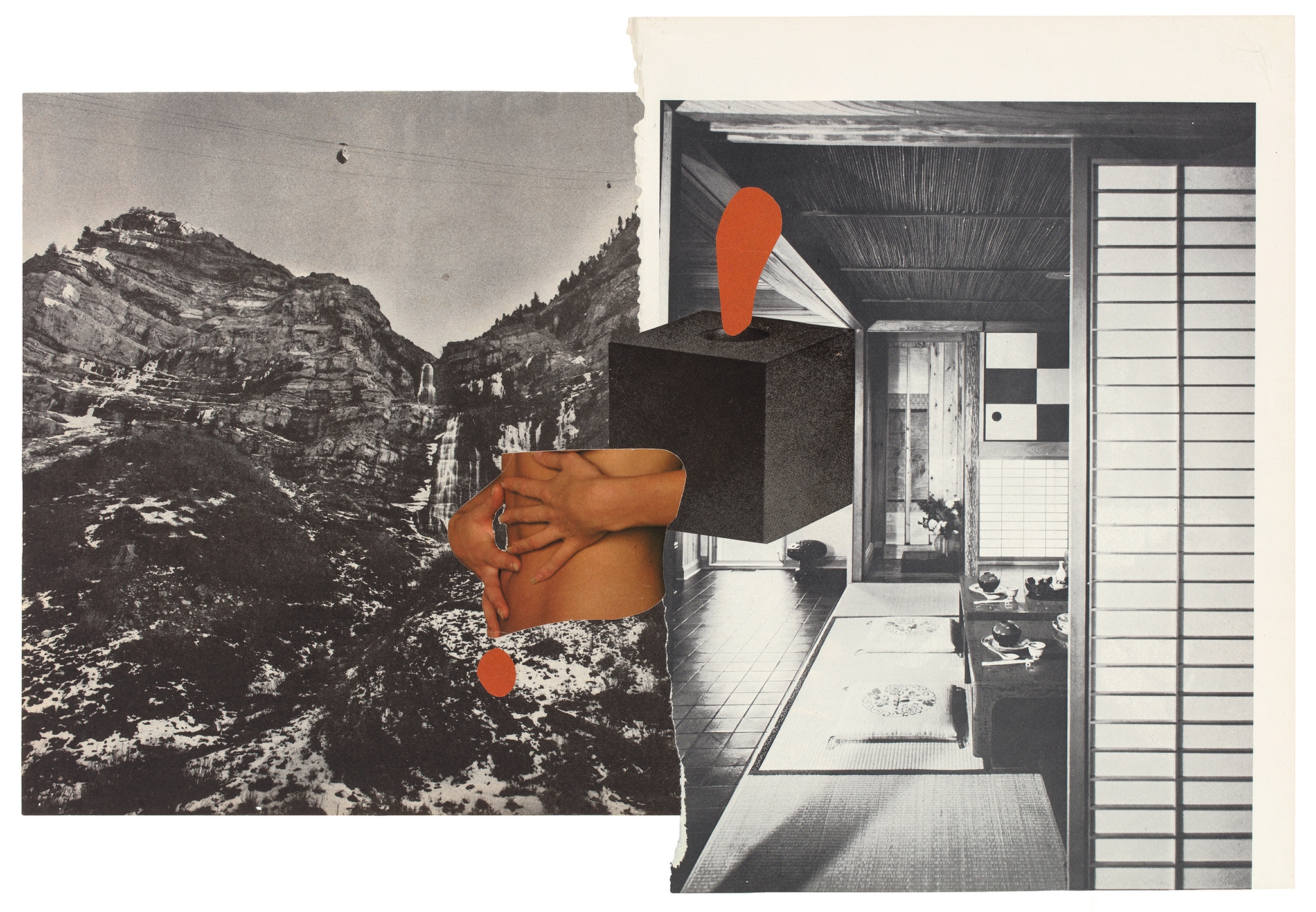
I often wonder: When did it all go too far? For years, I relished in the challenge of breathing life into so-so buildings: layers and layers of textiles and furnishings, of lighting. More is more is more. Cozy it up, make it human. It too often becomes the task of the designer to attempt to solve the temporal and corporeal void championed by all-glass, flimsy, drywall-everything, temperature- controlled boxes that prioritize efficiency and economics over the spirit of place. It’s the trademark of “boutique design”— spaces designed for dazzling first impressions, for photography and social media, for entertainment. It was a blast, and I made a career of it. I designed homes to feel like boutique hotels and boutique hotels to feel more like homes. But today, things are very clear: to continue to approach spaces in this way is outdated, if not irresponsible. It’s time for a fundamental shift to a holistic composition of sanctity, quietude, and above all: substance. We were eating popcorn for dinner and it’s no surprise that we woke up hungry.
"This is how a human being can change:
There's a worm addicted to eating grape leaves.
Suddenly, he wakes up,
Call it grace,
whatever, something
wakes him, and he's no longer
a worm.
He's the entire vineyard,
And the orchard too,
The fruit, the trunks,
A growing wisdom and joy
That doesn't need
To devour."
– The Worm's Waking, Rumi
A 2021 New York Times Article by Jesse Green critiquing the current state of the theater, is ever more present in my mind and practice. “Visual gimmicks.. are crowding out the characters” Green writes, referencing the cheap yet elaborate set designs that have begun to compensate for mediocre writing and character development. Eye candy versus nourishment is the distinction. And so in the practice
of space-making, the trajectory has also been towards one of hyperdesign— today, it’s all style and no depth. “Designers.. too often outshine the work they are meant to support.” Here, the work design supports is the human condition itself. It’s not to be flattened into style or taste, but matters of biology, psychology, permanence. On that foundation— and only on that foundation— we work with story and portraiture to breathe individualism and connection into space. Who are you, really? We ask.
In Buddhist cosmology, one of the psychic domains that is described is the Realm of the Hungry Ghosts.
The hungry ghost figures are depicted with small mouths and huge bellies. They are always craving and never satisfied. It’s not a reach at all to apply this to trend culture and its clever ways of convincing people of who they are, what they want. The curtain is down and we no longer see this as evolutionary. We see if for what it is: restlessness masquerading as refinement. The restless, insatiable energy can permeate the process from top to bottom, cheapening the creative act that is space-making itself and watering down the potent relationship that lies available between self and space.
This notion of hyperdesign as visual gluttony is a sign that something fundamental is missing. And while
we were all having fun in the pre-COVID era, its unquestionably at odds with the cultural undercurrents of today: towards more grounding, quietude, expanding attention, deepening connection, re-initiating creativity. Still and sustainable spaces that hold emotional resonance without frequent rebrands. Architecture and interiors in thoughtful harmony, not as adversaries. Spaces become sacred not because they’re curated collections of products, but because they choreograph our attention. This is what ritual does: it focuses us. It expands time.
When we feed the ghost, we become complicit in aesthetic addiction instead of cultural cultivation. The result is beautiful spaces that feel hollow; haunted by their own impermanence. Green writes, “as if to compensate, the stories are getting dimmer; their beautiful rooms, to paraphrase Kafka, are empty.” this new paradigm, there’s a figure-ground reversal. Space, instead, is a container for bold and effervescent lives.
The antidote to hyperdesign, commonly mistaken as minimalism, is actually meaning. If hyperdesign feeds the ghost, we advocate for reverent design in order to feed the spirit.