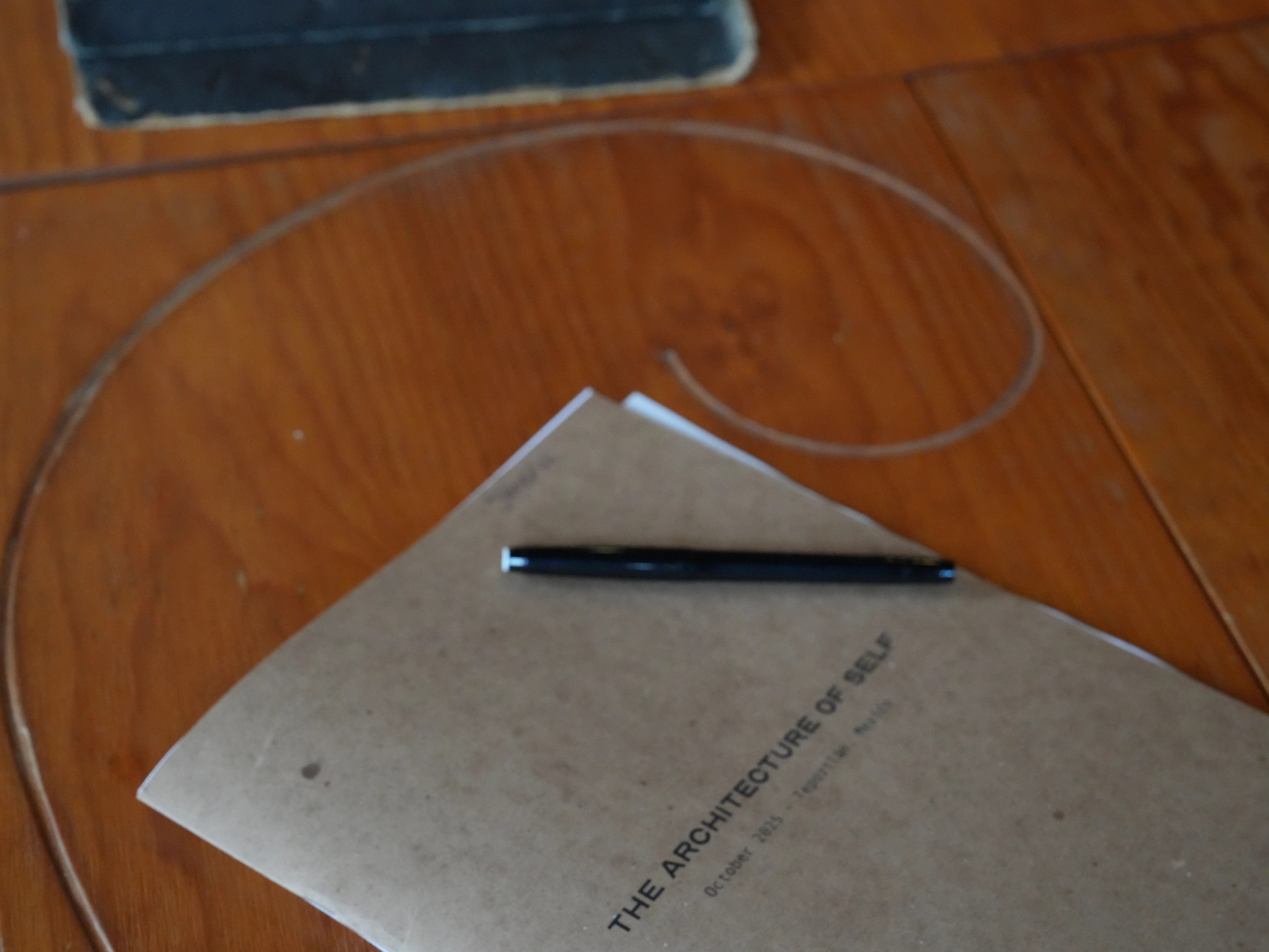
October 2025, 2026
Tepoztlán, Mexico
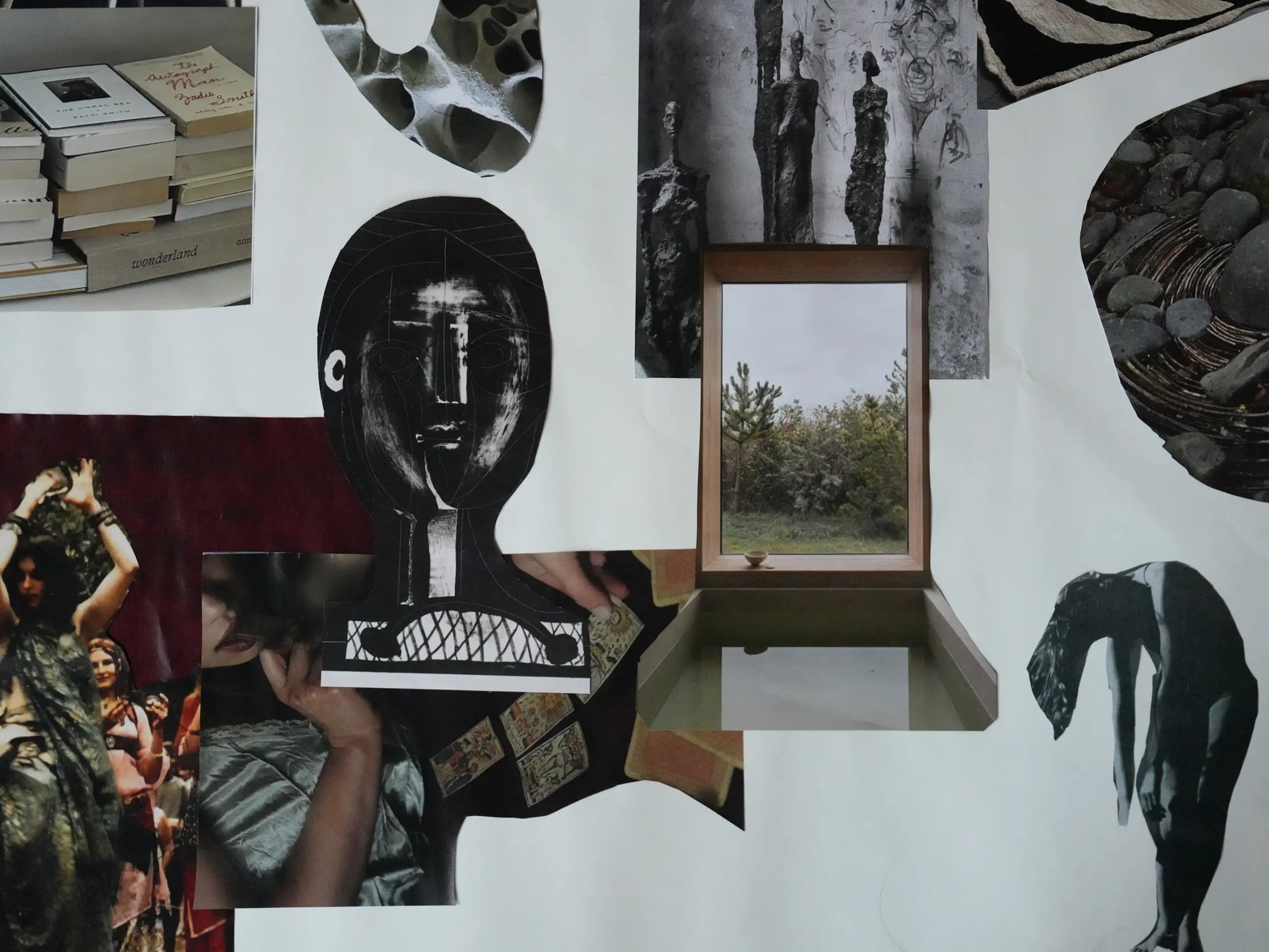
The Architecture of Self is a container for deepening the relationship between perception, environment, memory, and creative authorship.
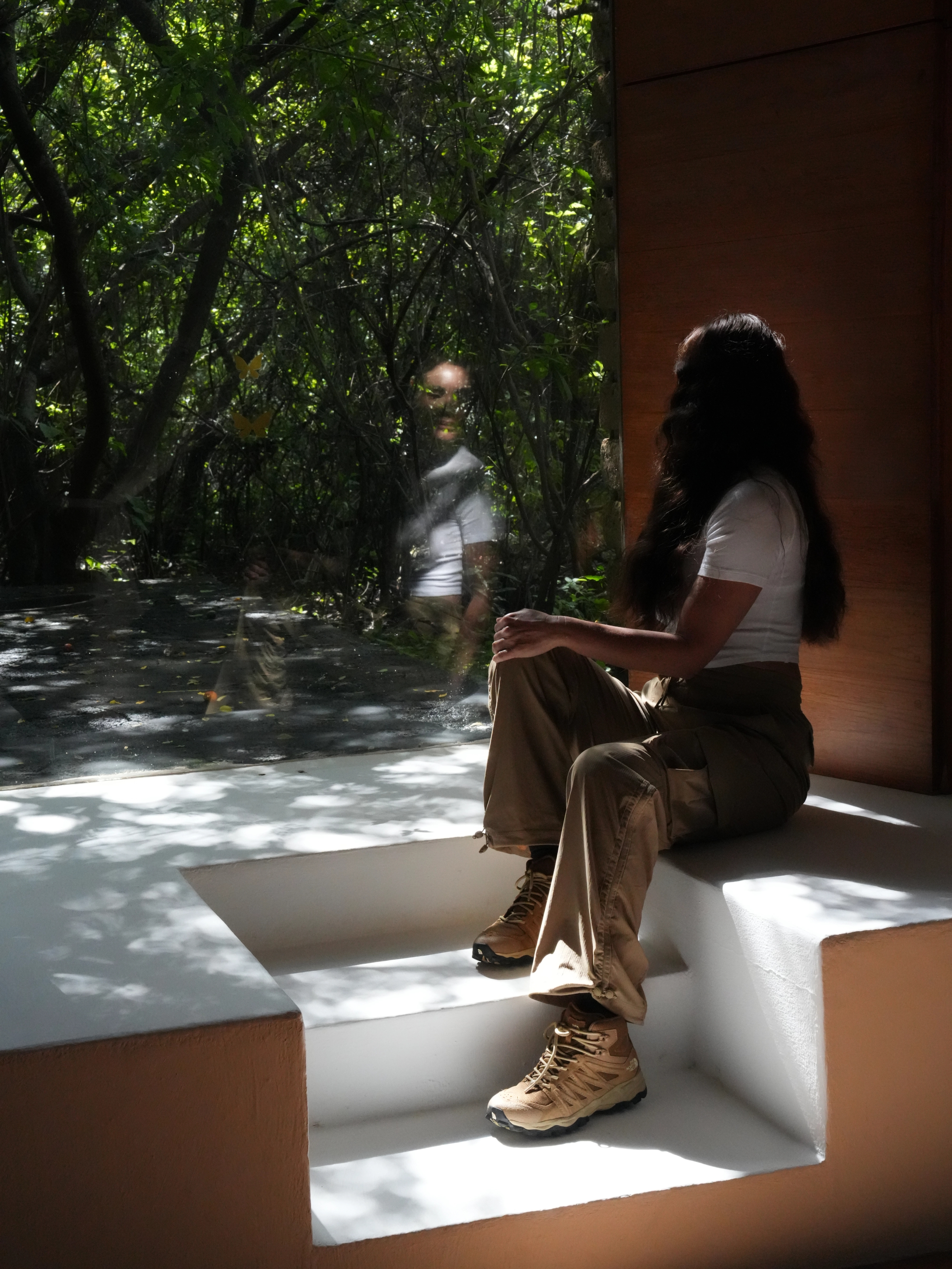
Research across neuroscience, psychology, and environmental design continues to demonstrate that human experience is not formed by cognition alone, but by atmosphere, ritual, sensory conditions, spatial sequencing, social dynamics, and the emotional associations embedded within place. The environments we inhabit shape attention, behavior, emotional regulation, and identity. While most people move through those systems unconsciously, this retreat examines the reciprocal relationship between perception and creation: the ways we shape our environments, practices, and lives, and the ways they shape us in return.
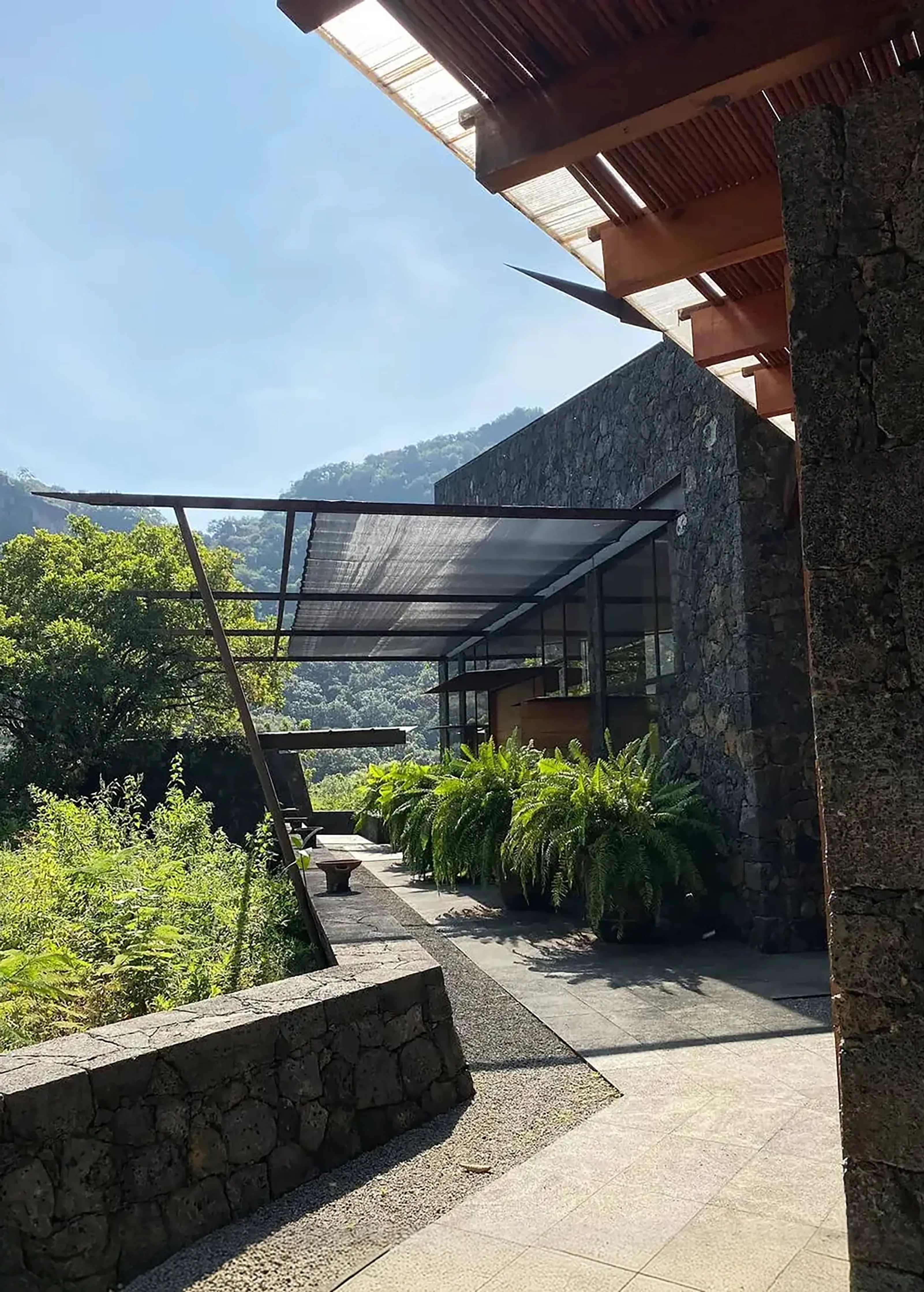
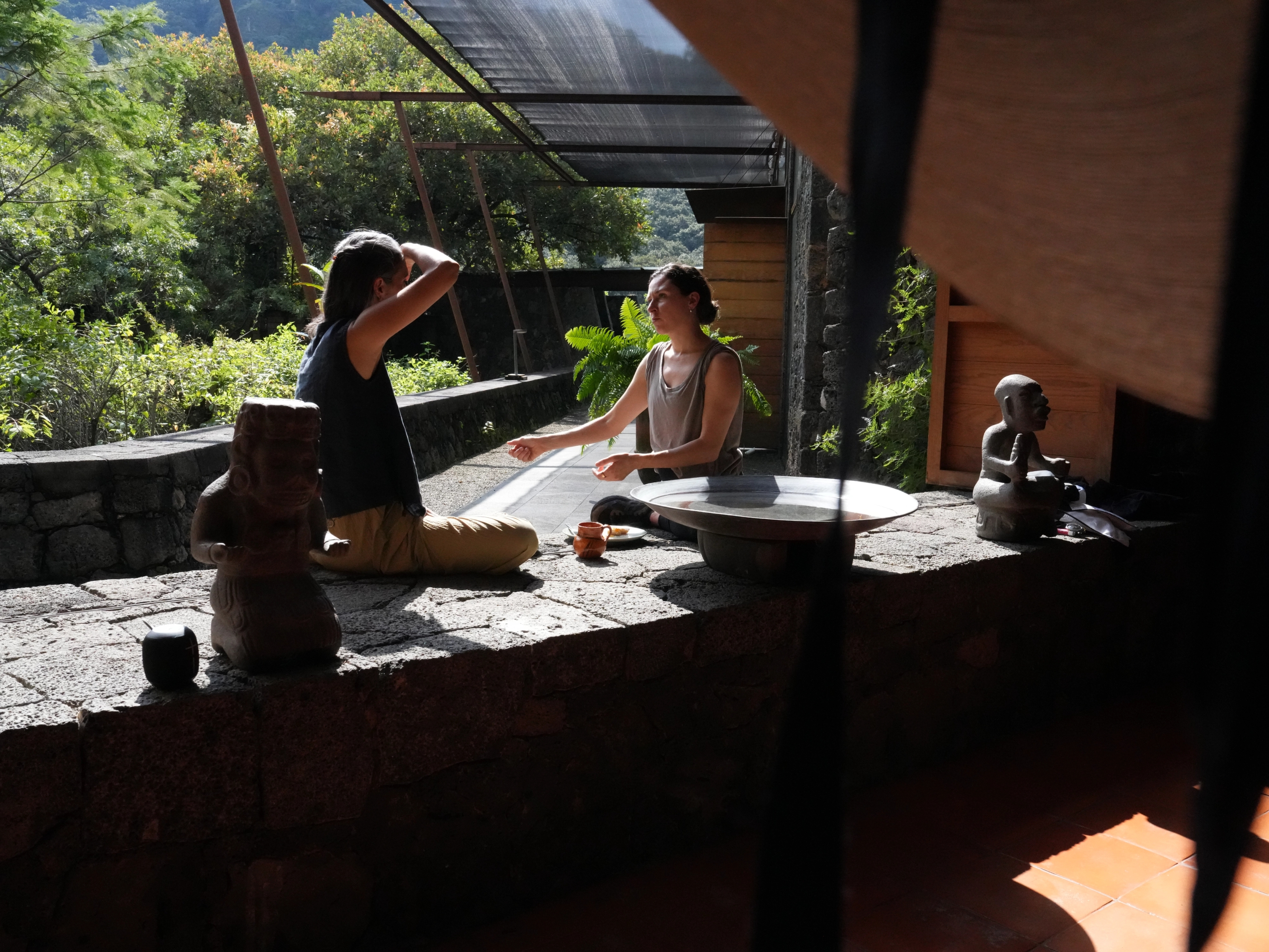
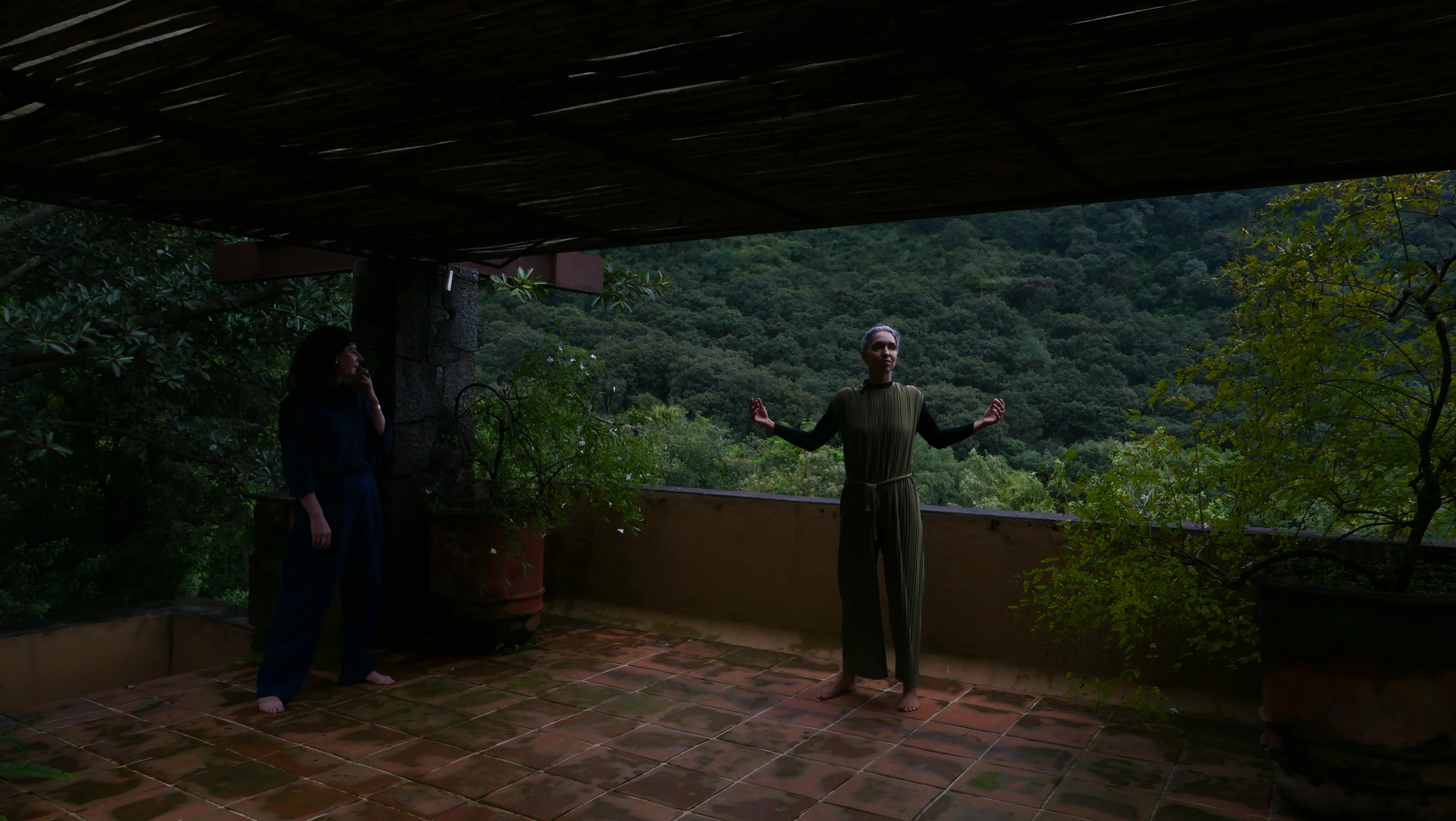
Set within the mountains of Amatlán de Quetzalcóatl, the retreat takes place in a region long associated with myth, altered perception, and spiritual inquiry. For centuries, the area has been regarded as a site of heightened sensitivity and transformation within Mesoamerican cosmology, where landscape, ritual, and consciousness were understood as inseparable rather than discrete domains. In that spirit, the retreat is structured around three movements: awareness, attunement, and authorship.
The first examines the formation of perception itself. Participants study the environments, behavioral patterns, sensory conditions, and inherited structures that have shaped how they think, relate, create, and orient themselves in the world. This is not framed therapeutically. It is observational and analytic: an investigation into the architecture of the self.
The second focuses on attunement. Attention is treated as a discipline. Participants engage questions around atmosphere, nervous system regulation, beauty, ritual, symbolism, and spatial psychology through both intellectual and sensory frameworks. The aim is to sharpen perception and increase sensitivity to the conditions that produce coherence, meaning, and creative vitality.
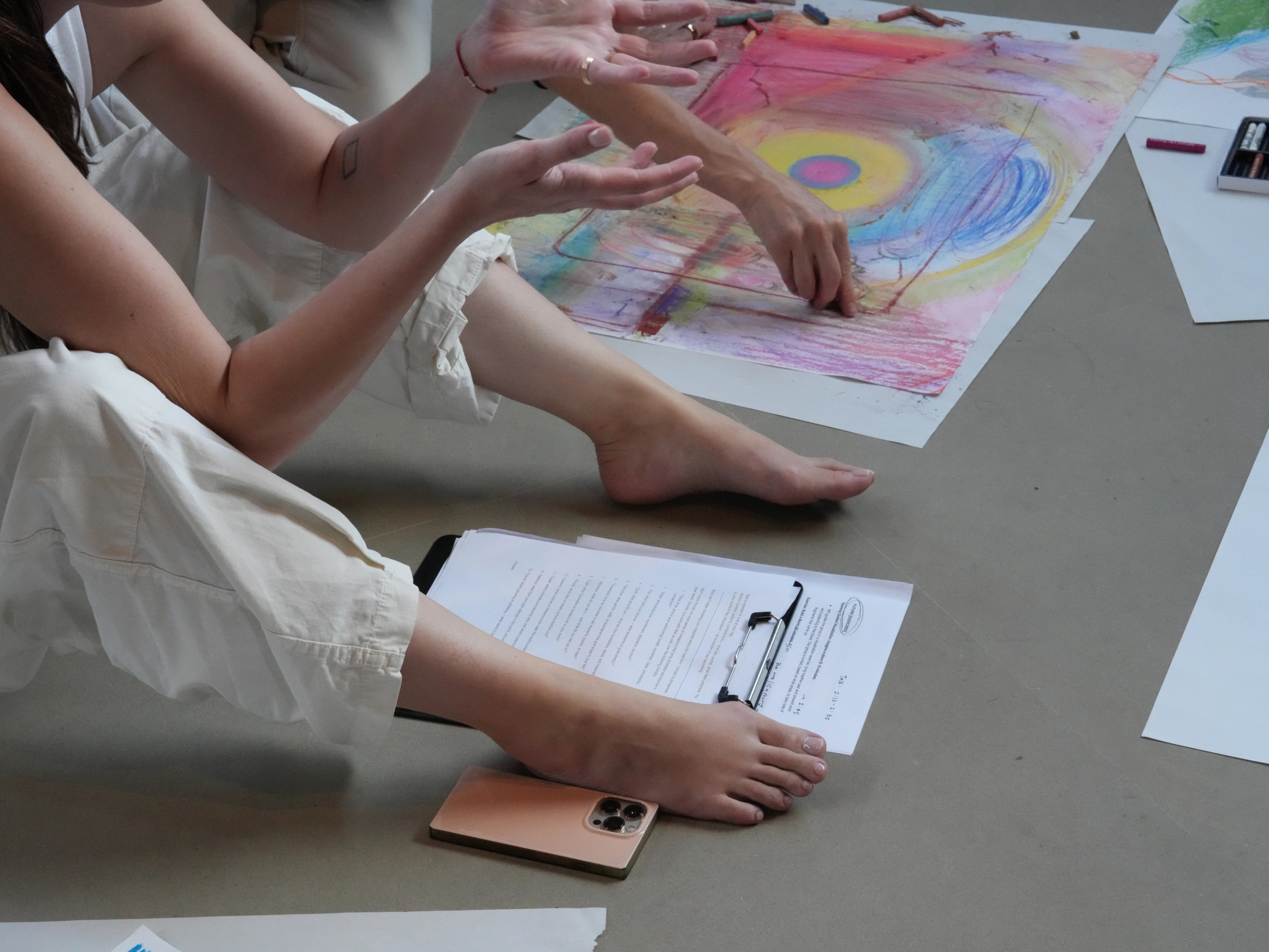
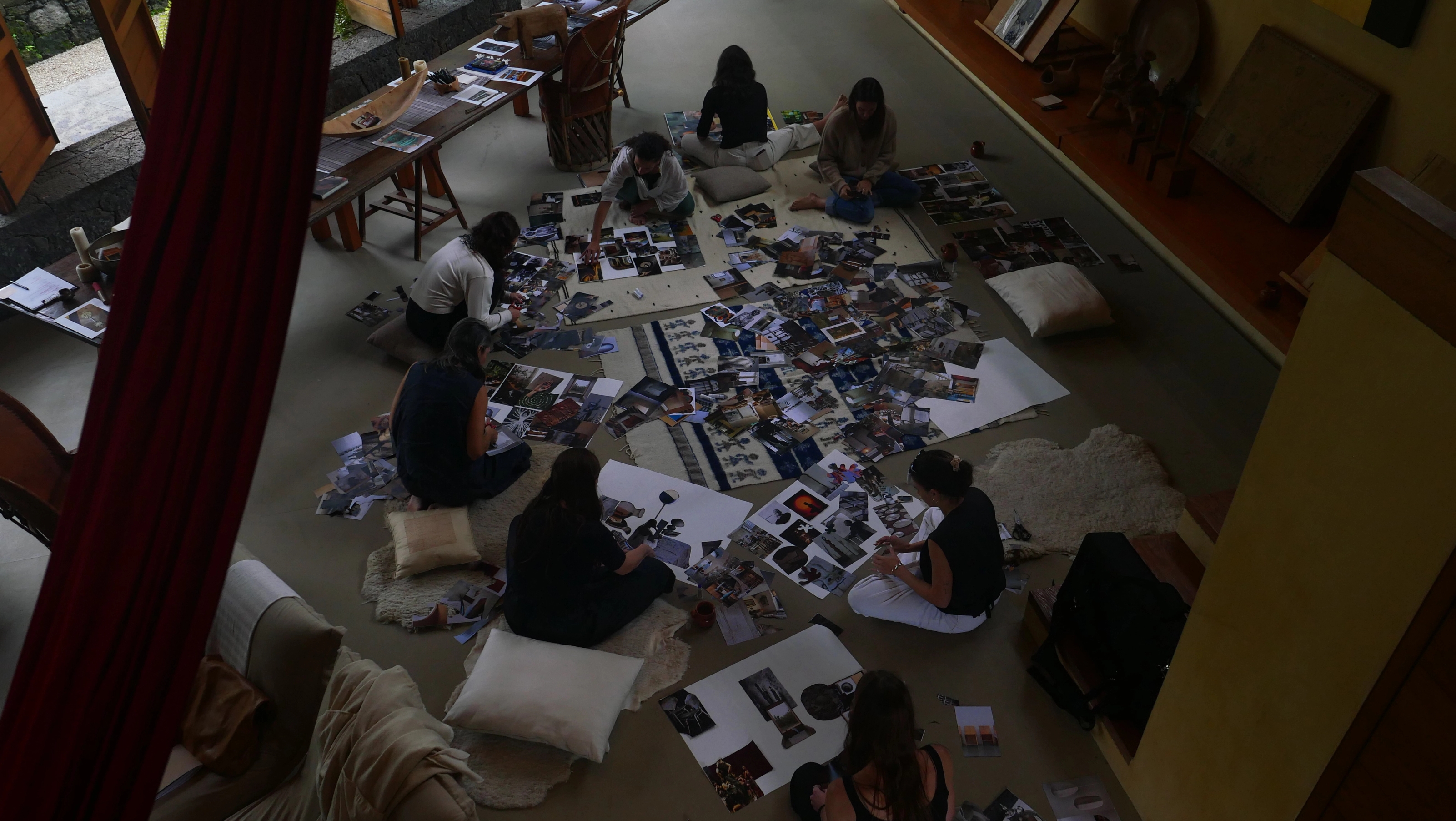
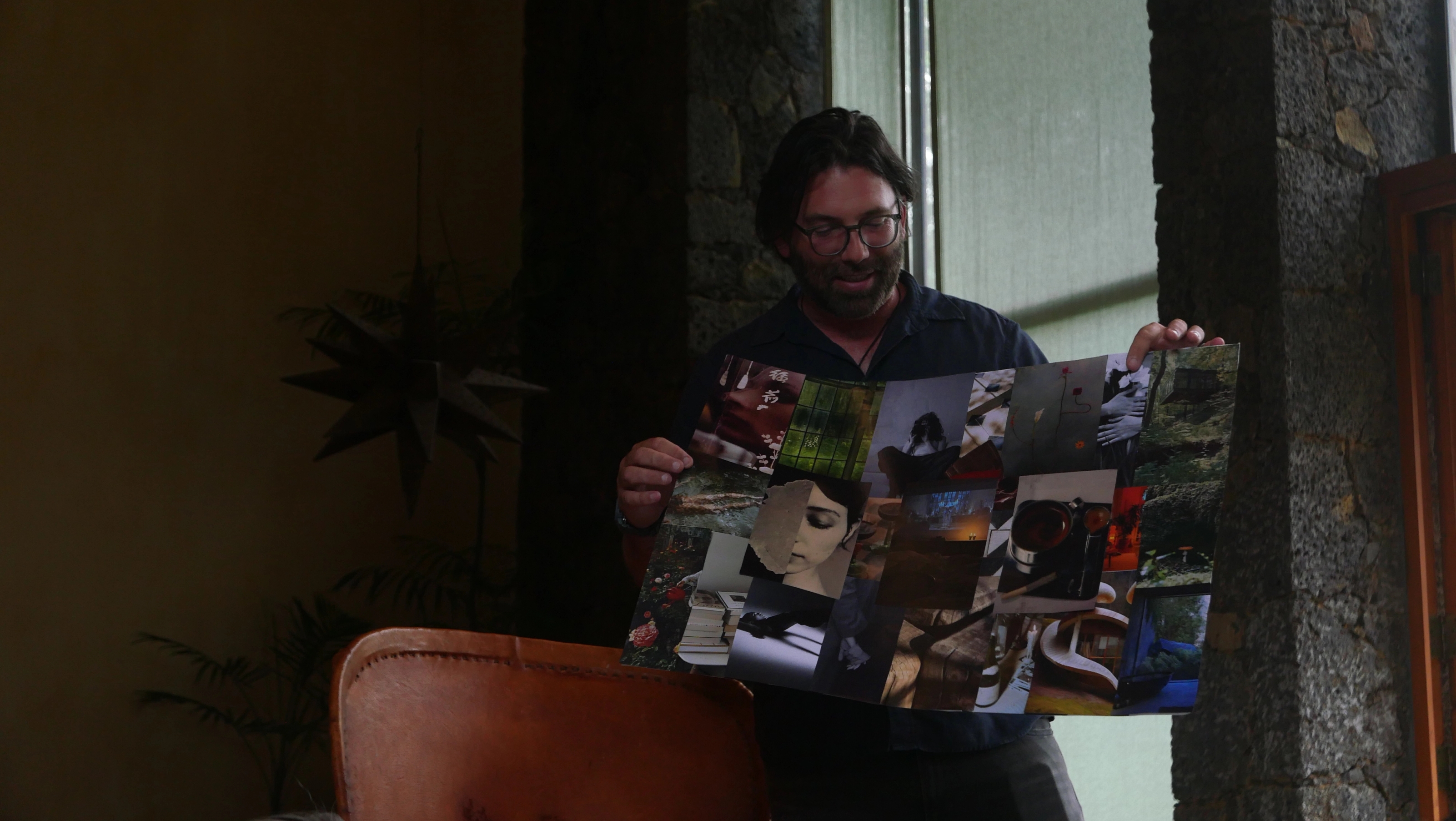
The final movement concerns expression. Creativity is redirected away from outputs and perfectionism and toward a clear channeling: the translation of an internal condition into form. For some, that form may emerge through writing, leadership, spatial practice, conversation, ritual, music, poetry, or art. The emphasis is on process alone, an underlining of the congruence between inner life and external reality.
The outcome of the retreat is increased authorship: of our art, and of our lives.
Participants leave with a more precise understanding of the forces shaping their perception and decision-making, alongside a stronger capacity to consciously shape their environments, practices, relationships, and creative lives in return. The retreat does not position creativity as a talent reserved for artists, nor self-development as a matter of optimization. It treats perception itself as material. From that premise, different ways of living, creating, and relating become available.
1/20